
Food Security Projects

The problem: Food from small-scale sustainable local farms is out of reach– both economically and physically– for the many food insecure households in the Adirondacks.

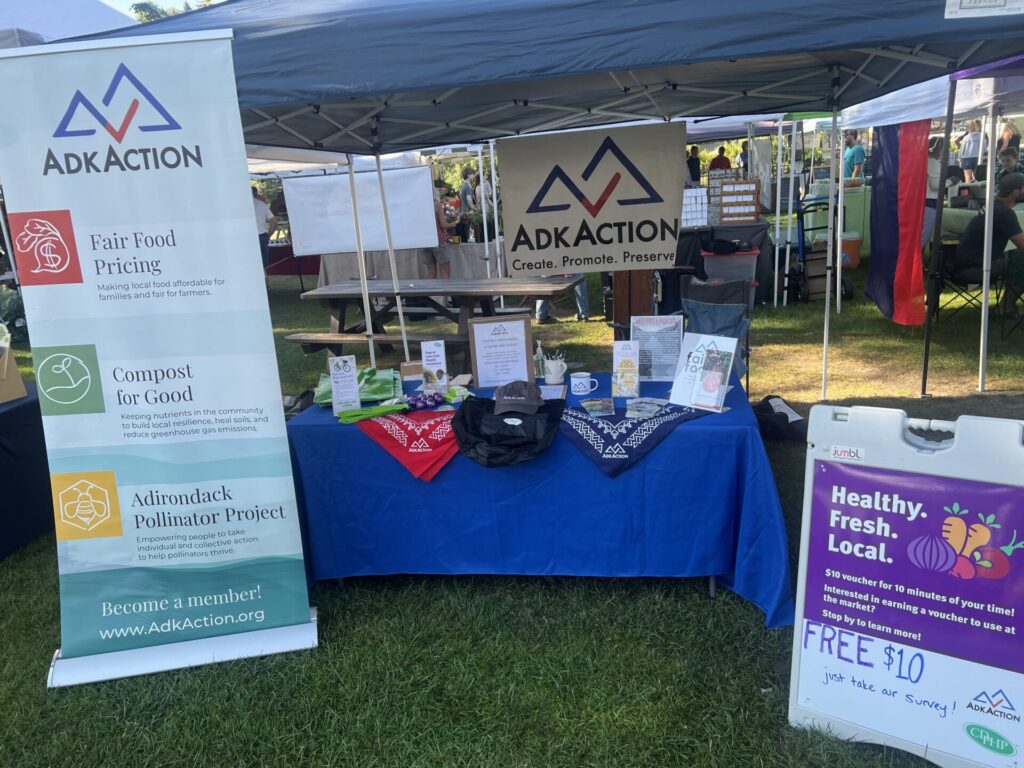
How we’re taking action: AdkAction is fighting food insecurity with multiple programs aimed at overcoming distinct hurdles. To alleviate rural food access issues, we provide consulting and micro-grants to rural grocery stores. We provide free seasonal farm shares or easy to use local food stipends to families in need. In all programs we emphasize dignity for participants and support of our local sustainable farms.


FoodSecurity_Icon

Fair Food Cards

AdkAction’s Fair Food Program provides funding to qualified households to purchase locally sourced, farm fresh foods. We work with area farmers and food processors who value humane care of livestock and sustainable agriculture. Participants receive a Fair Food Card, a debit-style card that has been pre-loaded with funds that can only be used at approved local farm vendors. Cards are topped up monthly with funds from generous foundation supporters and individual community donors.

Learn more about this project:

Fair Share

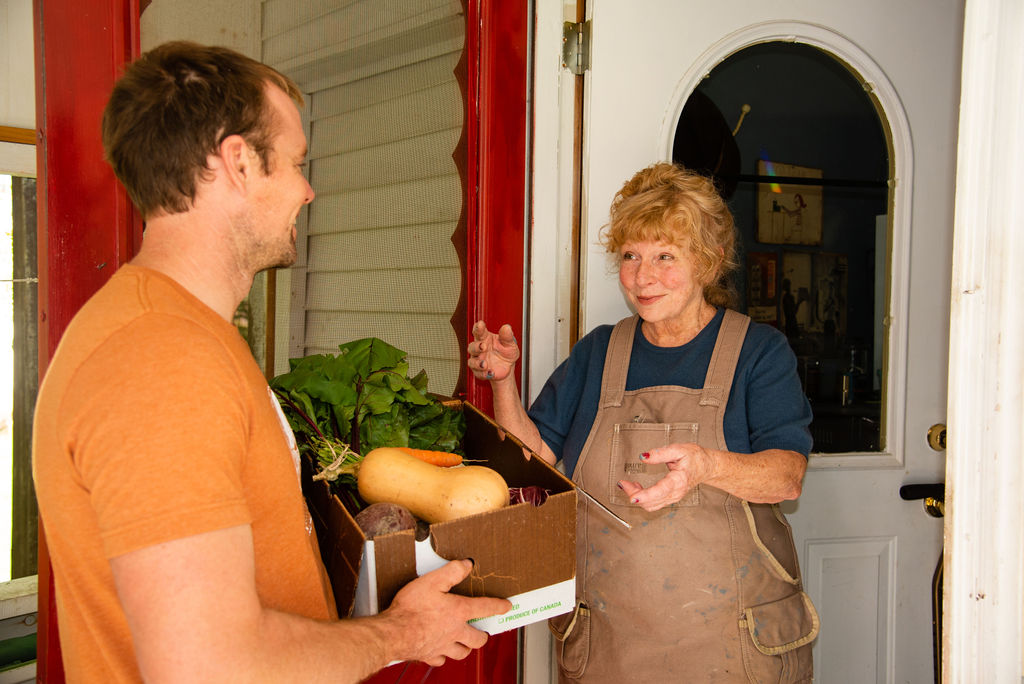
AdkAction’s Fair Share is a season-long CSA (Community Supported Agriculture) subscription to receive produce from a local farm, at no cost to participants. From June-October, households receive a box each week that contains a mix of five to seven different seasonally available vegetables. 

Our Fair Share program helps low and middle-income community members to take advantage of the health, environmental, and social benefits of participating in a CSA, while helping small farmers through upfront investment ahead of the growing season, when it is needed most.


Learn more about this project:

Adirondack Food System Network

AdkAction is the fiscal sponsor of the Adirondack Food System Network, a collaborative regional food council led by multiple organizations to better understand system-wide issues, identify gaps, and pursue realistic solutions to help strengthen and promote a more resilient regional food system through collective and equitable partnership. 

Learn more about the network:

Rural Grocery Access

Independent grocery stores are essential to Adirondack communities, providing access to fresh food, supporting local economies, and serving as gathering places in rural towns. AdkAction’s Rural Grocery Initiative strengthens these small but vital businesses through personalized consulting and micro-grants that help fund critical upgrades like refrigeration, cold storage, HVAC systems, and energy efficiency improvements—addressing infrastructure challenges that often threaten long-term viability.

Learn more about this project:

Community Gardens

The Keeseville Community Garden is a project created by AdkAction’s 2021 Tom Boothe Adirondack Intern Kim Gonzales, who sourced all of the initial materials, land, and interest and constructed the garden beds. The garden is a community-cultivated space that functions not only as gardening space for residents of nearby apartments, but also hosts educational workshops and provides opportunities for learning to grow food in a risk-free environment.

Learn more about the Keeseville Garden

SNAP Online Guide

In 2021-2022, AdkAction worked with the Hub on the Hill (now the Essex Food Hub) in Essex NY to help them become the first food hub in the nation to accept EBT SNAP payments through their online grocery store. To further expand access to local food, AdkAction documented the SNAP online process navigated by the Hub and created a guide from which other food hubs across the nation can learn.

FoodSecurity_Icon

Food Security News and Events

Learning Blueprint

Learning Blueprint: Distributing Local Food Cash Cards in an Emergency

When SNAP benefits were delayed across the Adirondacks in 2025, many families faced sudden gaps in their ability to buy food, especially those unlikely to access traditional emergency services. This Learning Blueprint shares how AdkAction responded with its Emergency Fair Food Card Pilot, distributing prepaid grocery cards through trusted school partners to provide fast, flexible, and discreet support. Designed for organizations preparing for benefit disruptions or addressing rural food insecurity, this guide outlines the program model, key lessons, and practical considerations for launching a similar initiative in your community.

Keep Reading