
What’s your Pollinator Habitat Story?

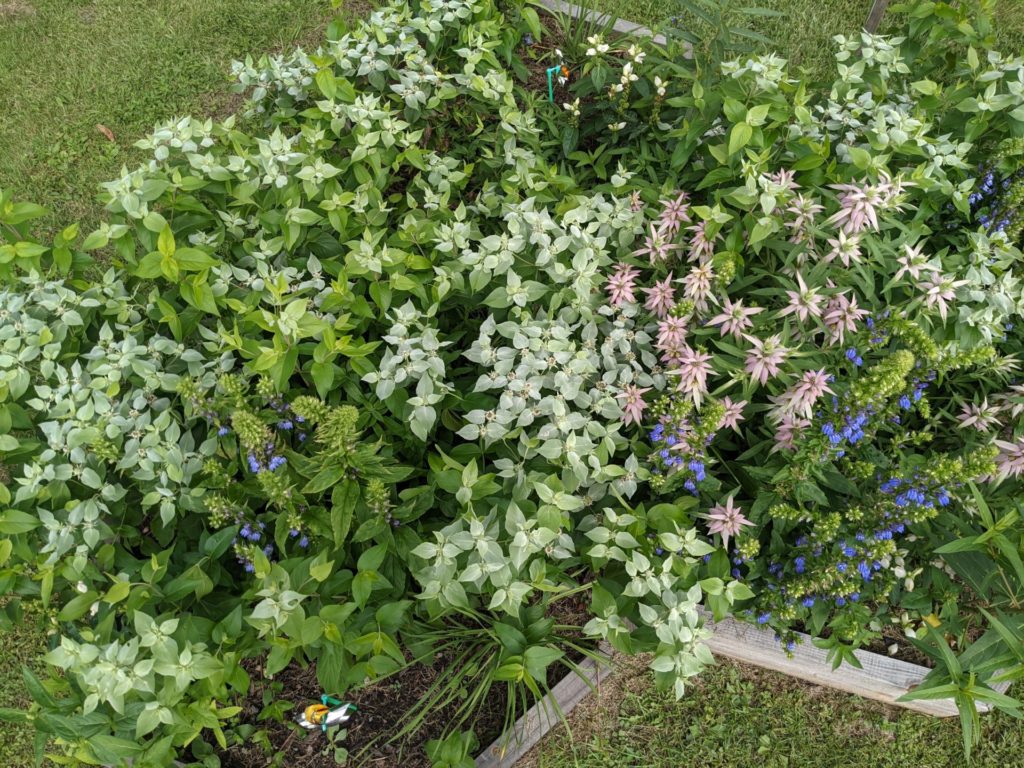
To date, our Adirondack Pollinator Project has given away over 72,000 free wildflower seed packets, built 30 community pollinator gardens, and sold over 7,000 native flowering plants. We’ve also conducted dozens of workshops, and other educational activities to build awareness and empower our communities to advocate for pollinators. 

Now, we’re collecting stories about your experiences creating pollinator habitat, and sharing them with the community so we can all learn from each other. 

Whether you’ve planted our free wildflower seeds, bought plants through our annual native plant sale, received a pollinator garden through our community Garden Assistance Program, or reduced mowing to create habitat, we want to hear about it!

Take a look at some of our first stories on our Pollinator Habitat Stories page, and share your experiences with us to be included.
More content to discover

Fair Food Card, Six Months In: How Our New WIC Partnership Is Working

At the start of 2026, AdkAction changed how the Fair Food Card project reaches families across the North Country. Instead of enrolling participants directly, we partner with Women, Infants, and Children (WIC) offices in Clinton, Essex, Hamilton, Warren, Franklin, and St. Lawrence Counties to support low-income families of young children.

Read More »

Over 5,800 Native Plants Take Root on Indian Lake Landfill in Landmark Community Planting Day

On a drizzly Saturday morning, 77 volunteers gathered at a capped landfill just north of the Town of Indian Lake and got to work. By noon, they had planted more than 5,800 native plants across an eight-acre site, a milestone moment in an ongoing effort to transform one of the

Read More »

The Keeseville Community Garden Graduates

The Keeseville Community Garden was established in 2021 by AdkAction’s Tom Boothe Adirondack Intern, Kim Gonzales, to create a welcoming space where residents could learn to grow food, participate in educational workshops, and experience gardening in a shared, low-risk environment. Located in downtown Keeseville, the garden remains uniquely accessible to

Read More »